
Remembering and Forgetting January 6, 2021

Every historical event exists within a constant tug between remembering and forgetting. Most events slide into obscurity and forgetfulness immediately. Some linger for a time. A select few historical events are of such importance that the collective need to remember and commemorate situates them within a community’s or nation’s history.
It’s impossible to predict which events will stand the test of time or how they will be remembered. Those that do often initially benefit from the participants themselves, who take the steps to protect and pass down a memory of an event to the next generation.
This is certainly true of the generation that fought and lived through the American Civil War. The lived experience of war and change left an indelible scar on that generation.
I didn’t truly understand this until September 11, 2001. For many of you reading this post, the date alone is sufficient to bring you back to that horrific morning. You can probably remember exactly where you were and what you watched planes hit the World Trade Center in New York City or as you heard of the crash at the Pentagon and the loss of another jet in rural Pennsylvania.
For me it will always be remembered as the day I lost my cousin. Alisha Levin worked on the 82nd floor of the South Tower at the WTC. She called her parents after the first plane hit, but was unable to make it out of her own building before it collapsed.
I will never forget the phone call with my father when he informed me later that afternoon that Alisha was still missing. The shock is forever etched in my memory. That day will always be first and foremost a lived memory and a historical event second.
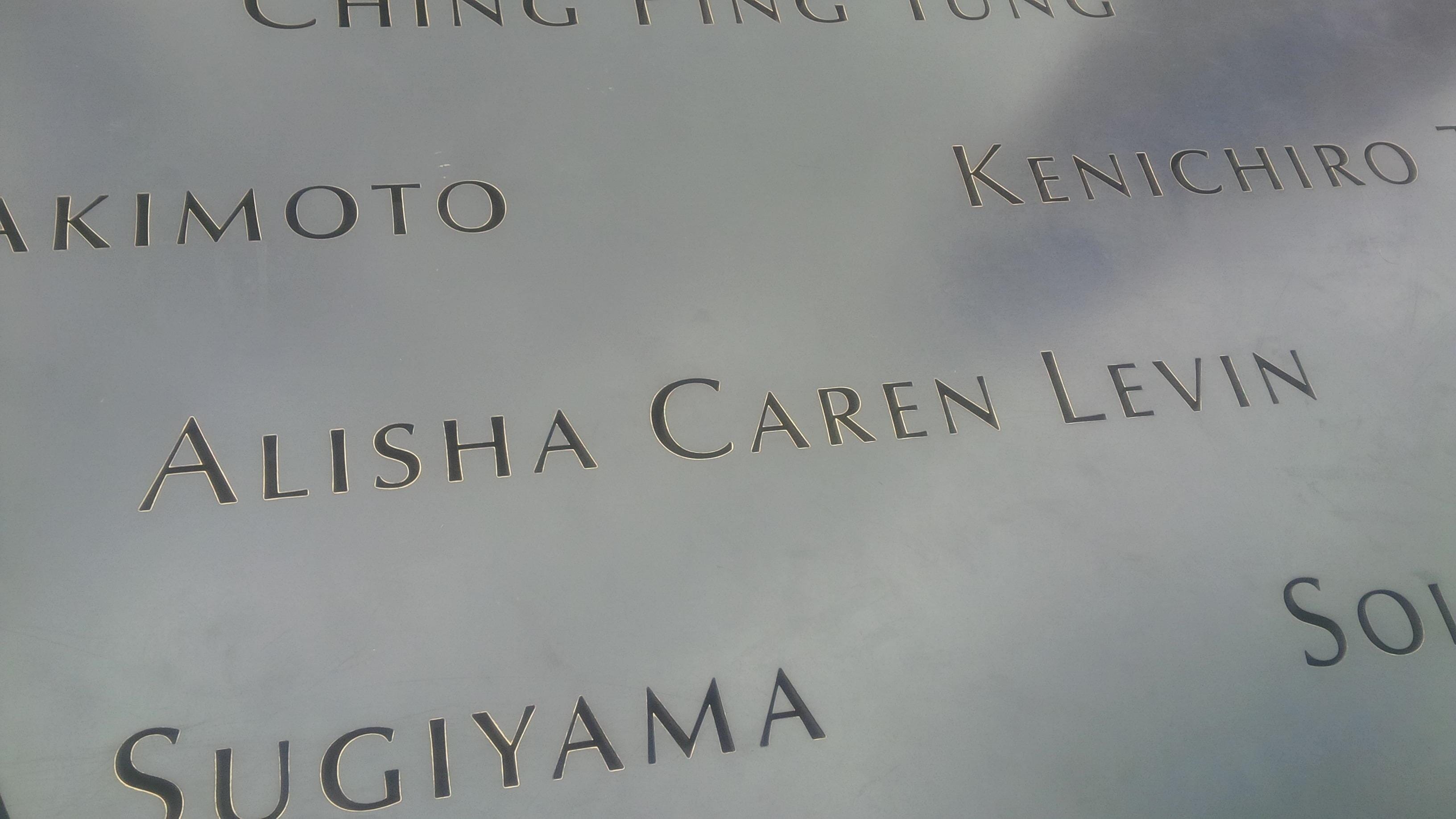
It’s easy to fall into the trap that an event of such magnitude will always remain front and center in our collective memory, but roughly 25 years later we can see changes. A whole new generation has now come of age that has no living memory of that day. We still read the names of the victims every year but it doesn’t command the same attention as it once did.
This is inevitable.
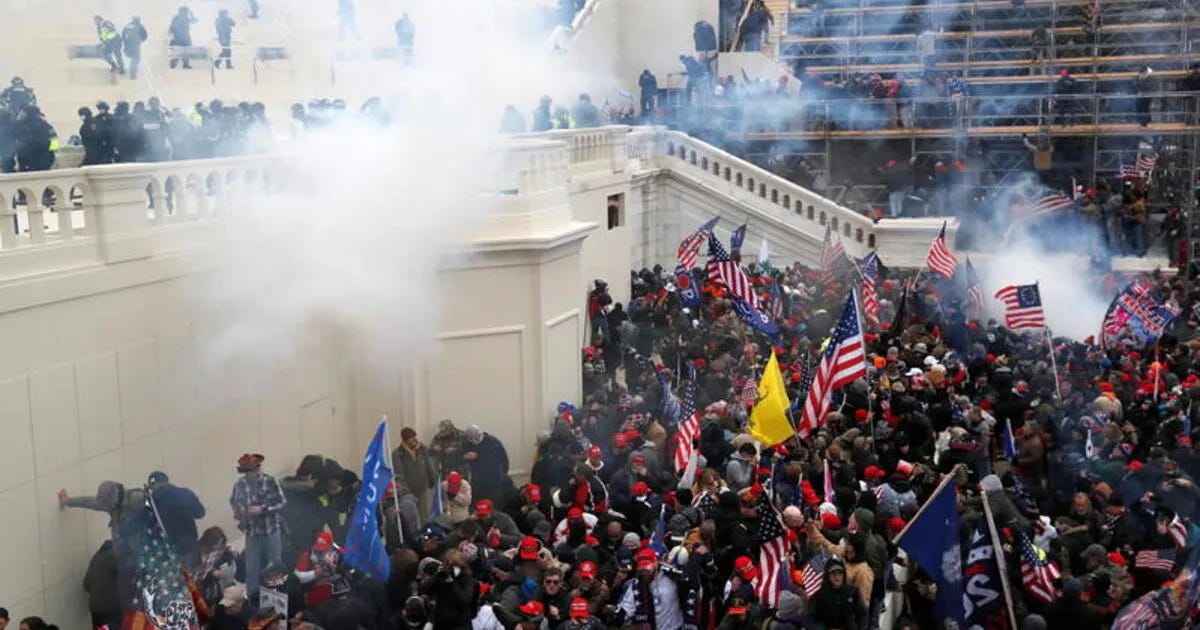
For much the same reasons, I will never forget what happened on January 6, 2021. I happened to be watching the news that afternoon as the first images of that angry and violent mob marched to the Capitol Building. At first, I couldn’t believe what I was seeing.
Americans attacking police, breaking into the building, and searching for our elected leaders to unleash their rage and vengeance—all for the purpose of preventing the certification of a free and fair presidential election and instigated by the then sitting President of the United States, Donald J. Trump.
In that moment much of the nation experienced a collective shock and outrage that few could have imagined would quickly dissipate and be redefined along partisan lines. What happened was obvious to just about everyone, regardless of political affiliation.
I wake up on this five-year anniversary not fully recovered from that day, not because there are still unanswered questions, but because we know exactly what happened and yet so many of us have been willing to look away or have allowed our elected leaders to distort what took place.
Many of us are living a deception on par with Holocaust deniers.
The man who instigated the riot has been allowed to once again assume the highest elected office in our land. The very perpetrators of this crime have been pardoned.
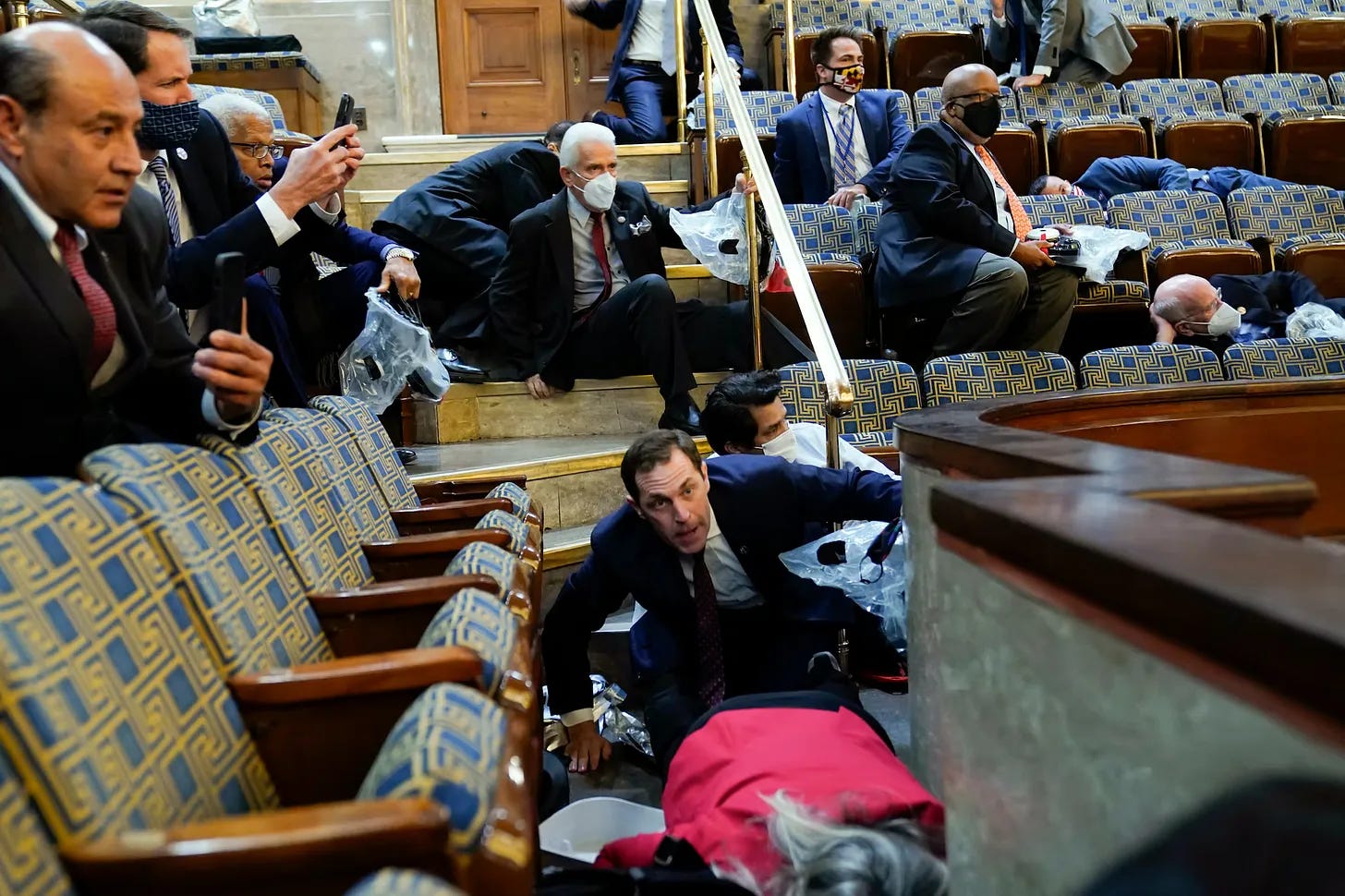
It is a betrayal of the very men and women, who served in the Capitol Police and other law enforcement agencies who placed themselves in harm’s way to defend the Capitol and the lives of both Republicans and Democrats, who were forced to flee from the grounds or who found themselves trapped in their offices and other spaces.
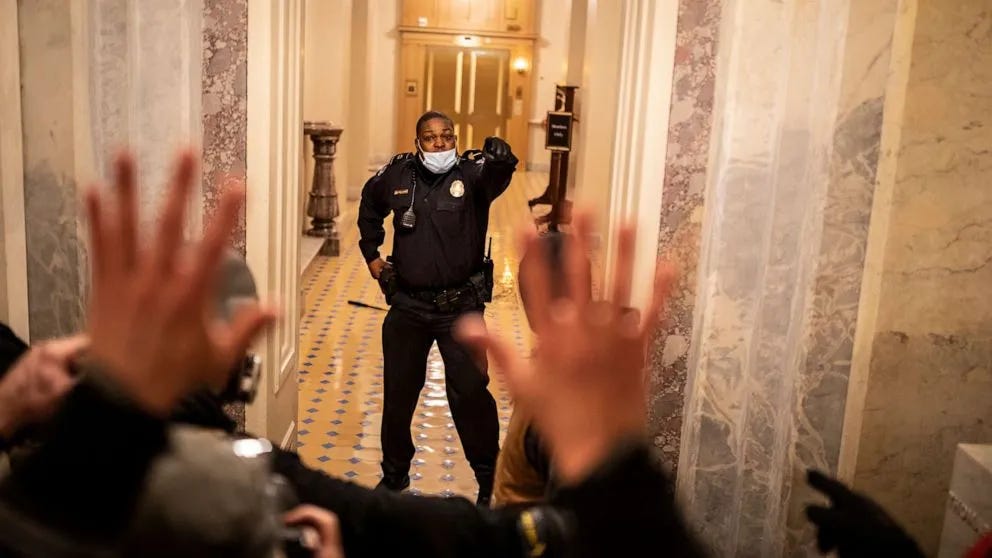
Now, just five years later the Republican-controlled Congress can’t even bring itself to unveil a plaque honoring the many law enforcement agencies for their bravery on January 6, 2021. House Speaker Mike Johnson has made no effort to formally unveil the plaque. And the Trump administration’s Department of Justice is seeking to dismiss a police officers’ lawsuit asking that it be displayed as intended.
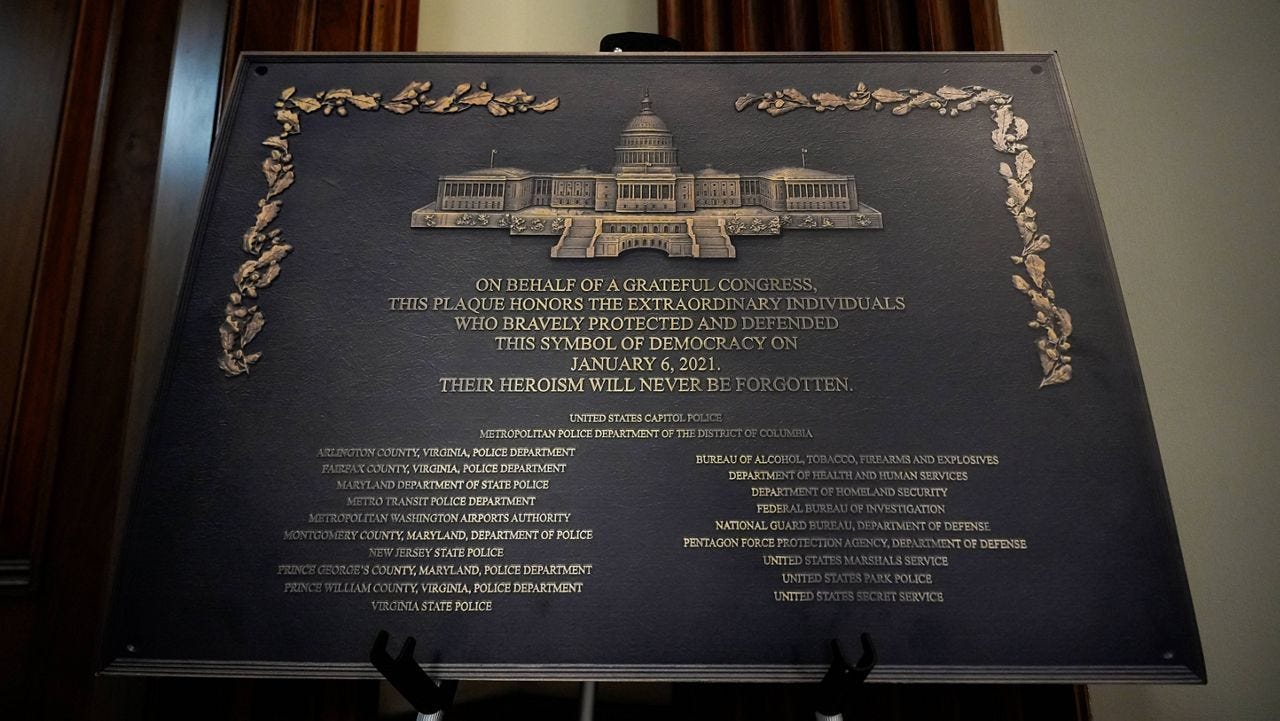
The plaque is not political. In fact, one could argue that the language goes to great length to avoid the reality of what happened:
On behalf of a grateful Congress, this plaque honors the extraordinary individuals who bravely protected and defended this symbol of democracy on Jan. 6, 2021. Their heroism will never be forgotten.
This intentional denial of what took place ensures that there will be no reminder of one of the most impactful days in this nation’s history, in the very location where it took place.
As a result, the plaque will likely remain in storage for the foreseeable future.
Today is a day to look beyond the politics of January 6 and remember what you saw and what you felt five years ago.
Do it as a citizen of the United States. Do it in full recognition of everything that was at stake that day. Do it for the Capitol Police.
And most importantly, do it for the future of our democracy.
We all saw it. That cannot be erased despite the desire of those who perpetrated the event. It was a mob. It was violent. It was illegal and was attempting to impede an important legal process. We all saw it.
I am stunned to learn of the loss of Alisha, your cousin. How very personal 9/11 is for you. Years ago I arranged for our kids to hear the experience of a WWII veteran, John. Just a day or two ago I recalled John describing how one day he was a grocer and a church organist, and just a couple of weeks later he was learning to bayonet a dummy, instructed to not only impale, but pull upward to finish the job. At the time, I was appreciating John's story telling abilities, keeping our kids' interest. Now I'm revisiting his account and feeling more of the horror of his reality. How to correct the way I receive the telling of history to understand the players, the human drama, the magnitude of loss sustained that isn't always readily apparent? Thank you for keeping the impact of 1/6/21 alive.