
Ken Burns, Contingency, and the Question of Whether a New Consensus View of the American Revolution is Possible
A few thoughts about Episode 1 of The American Revolution.

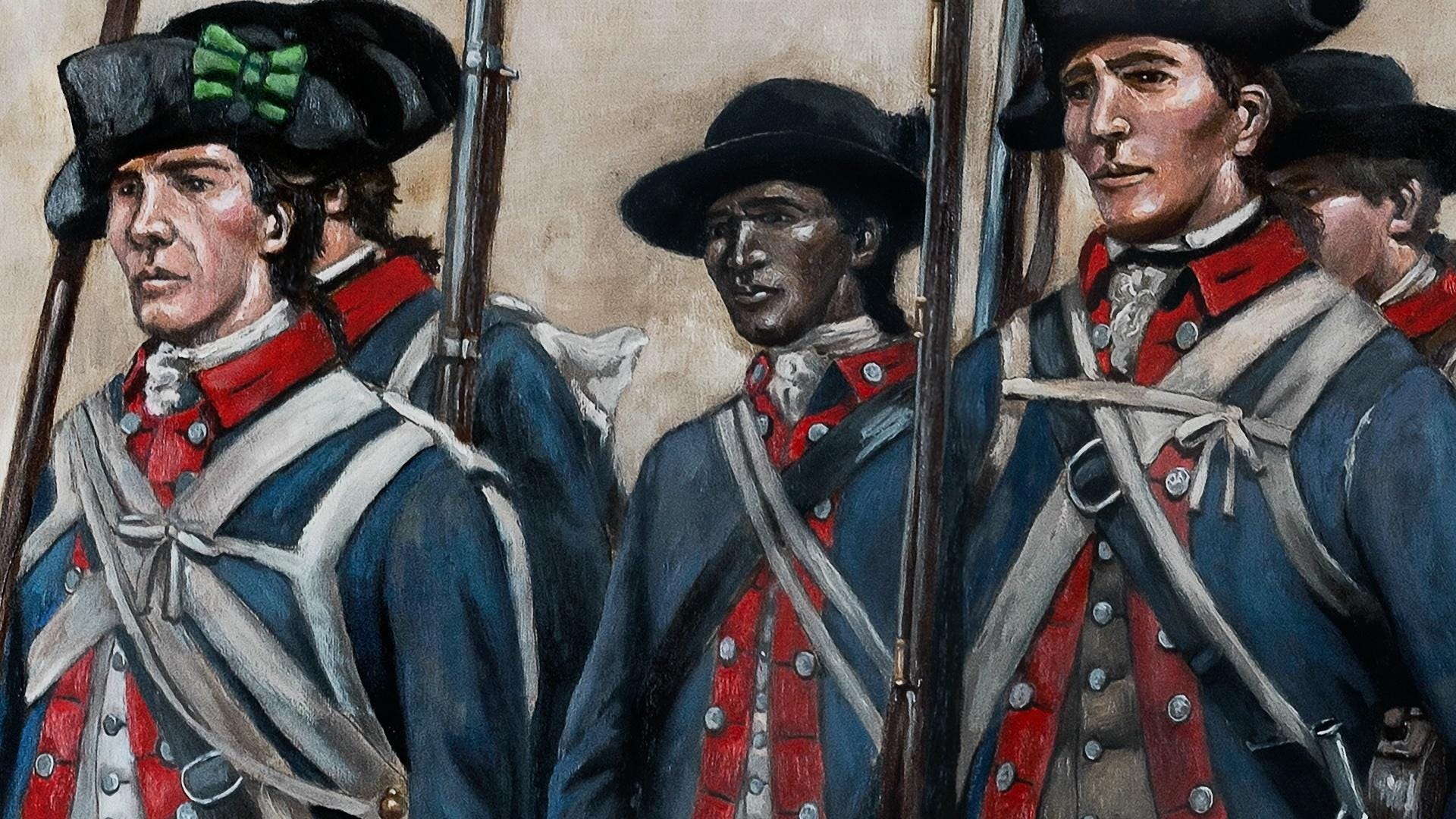
I hope you had a chance to watch Episode 1 of Ken Burn’s new documentary about the American Revolution, which aired last night on PBS. [You can livestream it at PBS at any time.] Overall, I can’t say that I was surprised by anything. It looked and sounded like a typical Ken Burns production.
There has been a good deal of anticipation of this first episode given the wave of publicity over the past few weeks. One of the things that Burns has emphasized in the lead up to last night’s debut is the inclusion of a wide range of voices in this documentary.
Indeed, it was an indigenous voice that opened the first episode and over the course of the next two hours included perspectives from women and the enslaved. At one point I wondered whether this would lead to accusations that Burns is doing “DEI history” or worse that his work is “unpatriotic,” but it quickly occurred to me that, at its core, this was going to be a traditional narrative.
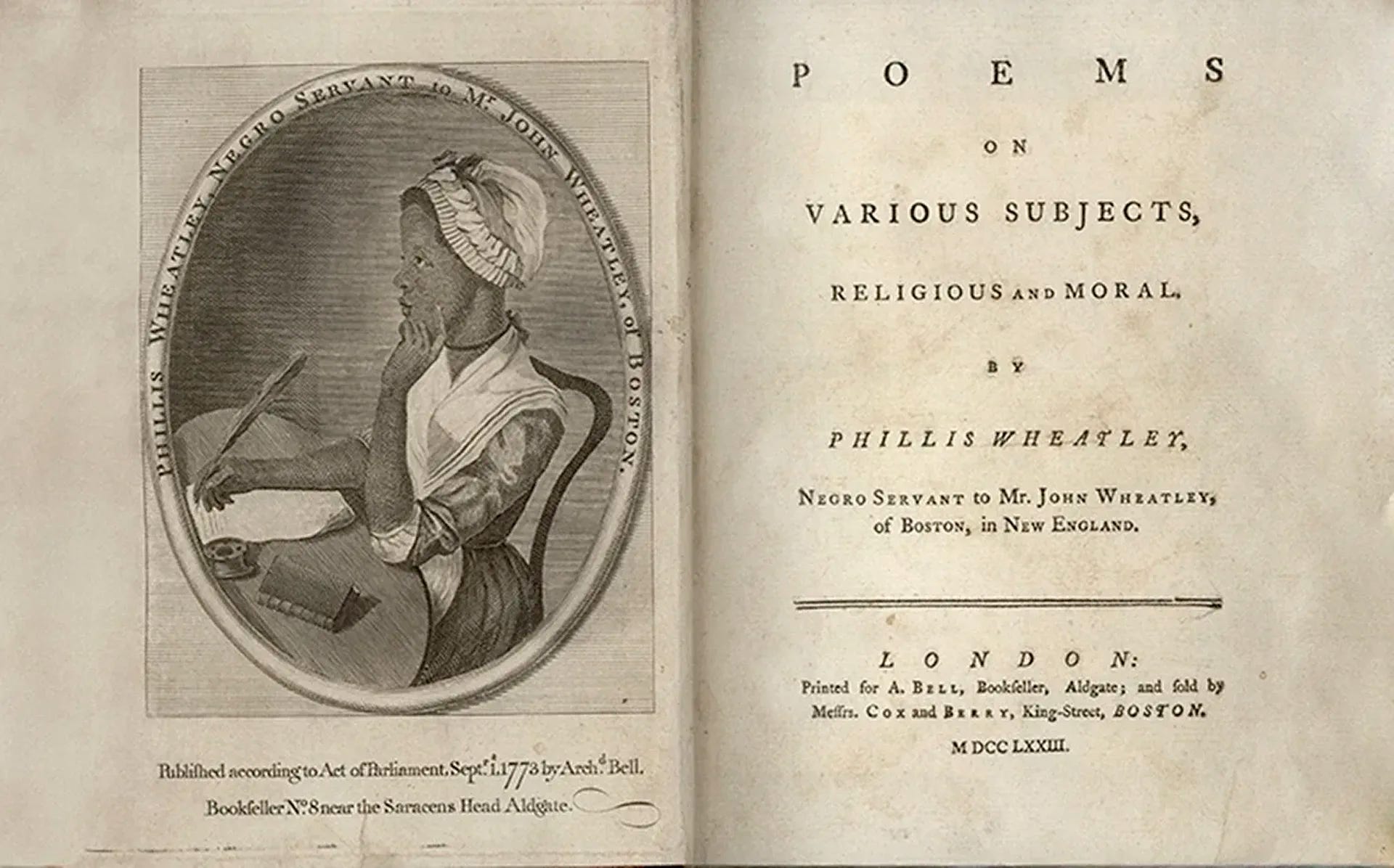
Burns’s commitment to sharing multiple perspectives raises a central problem that will be difficult, if not impossible, for him to solve in the remaining episodes. While he clearly wants to integrate and give voice to a wide range of perspectives as well as the historians responsible for much of the scholarship behind it, Burns refuses to allow it to disrupt a traditional and all too familiar narrative.
It’s the difference between centering the voices of enslaved, women, and indigenous people and showing how their inclusion shifts the traditional narrative and, as a result, forces viewers to rethink their own relationship to this story as opposed to utilizing them simply as window dressing.
For example, I loved seeing historians like Vincent Brown and Kathleen DuVal as their scholarship forces us to take a much broader perspective on events in the thirteen colonies to include Spanish Florida and the Atlantic World, but what would it mean to truly de-center the traditional narrative and see the Revolution and the beginning of this nation as a product of events across the globe?

Of course, it is ultimately Ken Burns’s decision as to what kind of story he wants to tell and I suspect no one, who knows his work, will be surprised by his choices, but this feels like a missed opportunity. The traditional stops in the first episode’s narrative arc, that stretches from the Seven Years War to the opening battles at Lexington and Concord, comes packaged with a feeling of inevitability.
Even if your knowledge of this period is limited, most viewers know what to expect as anticipation builds, but these larger narratives and perspectives, which we should applaud Burns for including and which could highlight the importance of contingency throughout this period, lose much of their epistemological punch as the story inevitably falls back on the standard actors to push the story along: Stamp Tax, Townshend Duties, Boston Massacre, Tea Party, Lexington and Concord.
That said, let’s not be too hard on Ken Burns for falling short of this goal. It is unrealistic to expect Burns to be able to somehow craft a coherent or consensus narrative out of the rich scholarship that has been produced by social historians and historians specializing in the Atlantic World over the past 50 years.
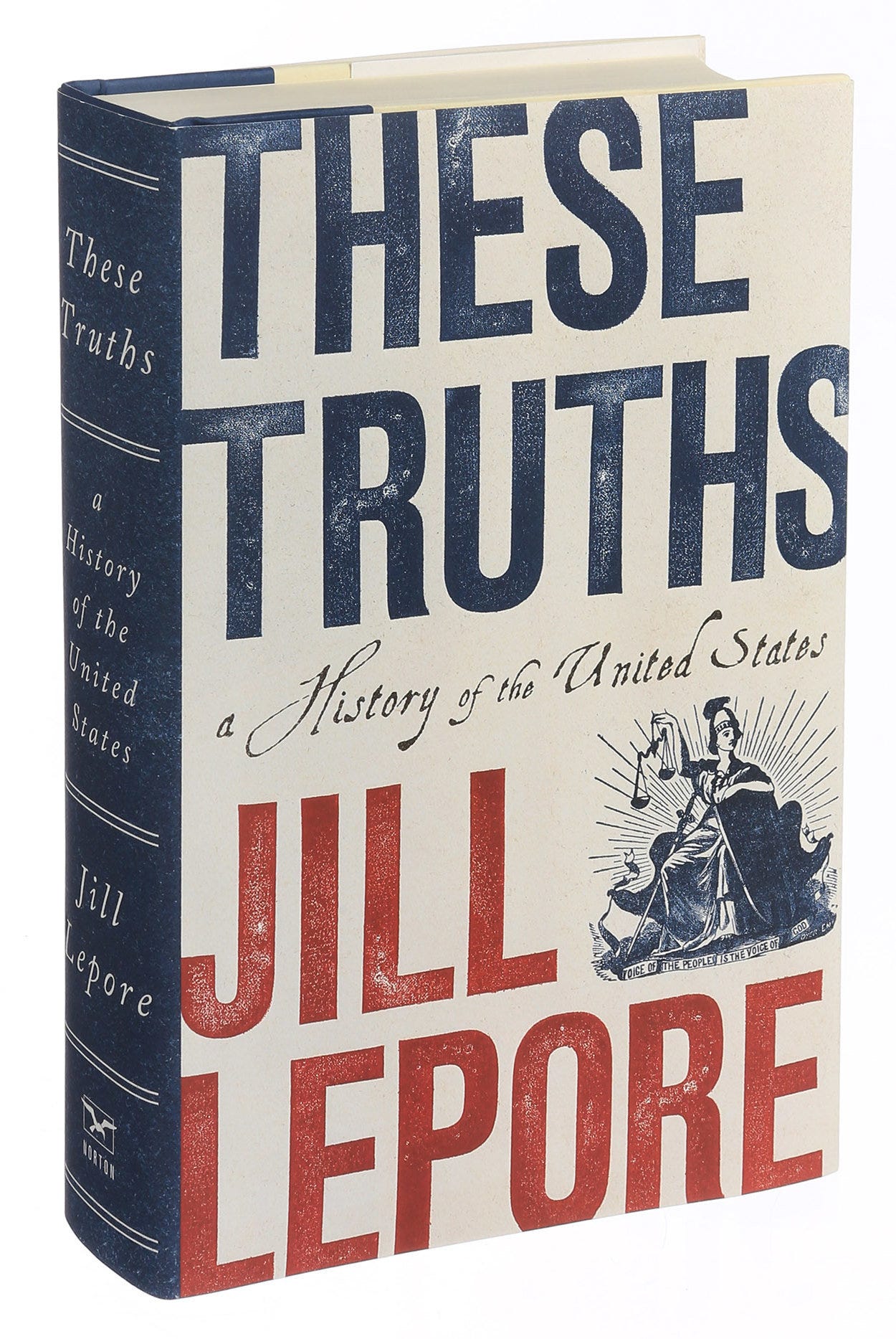
Scholars have debated whether it is possible or even desirable to fashion a consensus narrative for the nation. Some historians, like Jill Lepore, have attempted such a narrative in recent years and it’s one that we should certainly be discussing on the eve of the 250th anniversary.
As an educator and historian, I have always thought that it was necessary both as a pedagogical tool and as one that has the potential to foster bonds of unity, to whatever extent possible.
At the same time, Burns has made the claim that the American Revolution is the most important event of world history since the birth of Jesus Christ. Such a claim will certainly meet with the approval of the Heritage Foundation, but it also goes far in helping us to appreciate why a fundamentally new narrative that fully integrates an Atlantic World view as well as the perspective of non-traditional actors is not likely to be forthcoming.
It’s only the first episode and I look forward to tuning in for the rest of the series to see how Burns’s version of the story plays out.
Ultimately, much of Burns’s narrative of the American Revolution will be new to most viewers. It offers an opportunity for conversation and further study and that is always a good thing.
I am sure that Ken Burns will be relieved that you have decided not to be too hard on him.
I felt like it was rushed. Compared to the first episode of the Civil War series it seemed like they blew through the lead up to Lexington and Concord.