
History by Algorithm or What AI Doesn’t Understand About Robert Gould Shaw and the 54th Massachusetts
Why historians still matter in the age of AI.

I completed my review of the copy edits for my forthcoming biography of Col. Robert Gould Shaw with the University of North Carolina Press. A Glorious Fate: The Life and Legacy of Colonel Robert Gould Shaw will be published on September 29. You will be able to pre-order it next month.
The other day I came across this AI-generated video about Robert Gould Shaw and the 54th Massachusetts Regiment. I really like the cartoons that accompany the narrative, but you can clearly see the deficiencies that continue to hamper AI’s ability to accurately interpret history. The narrative is stale and while, in general, it gets much of the story correct, it is clearly based on a popular narrative that has been reinforced over time by the publication of Peter Burchard’s book One Gallant Rush: Robert Gould Shaw And His Brave Black Regiment (1965) and the Hollywood movie, Glory (1989).
Here’s the video.
Here are some highlights.
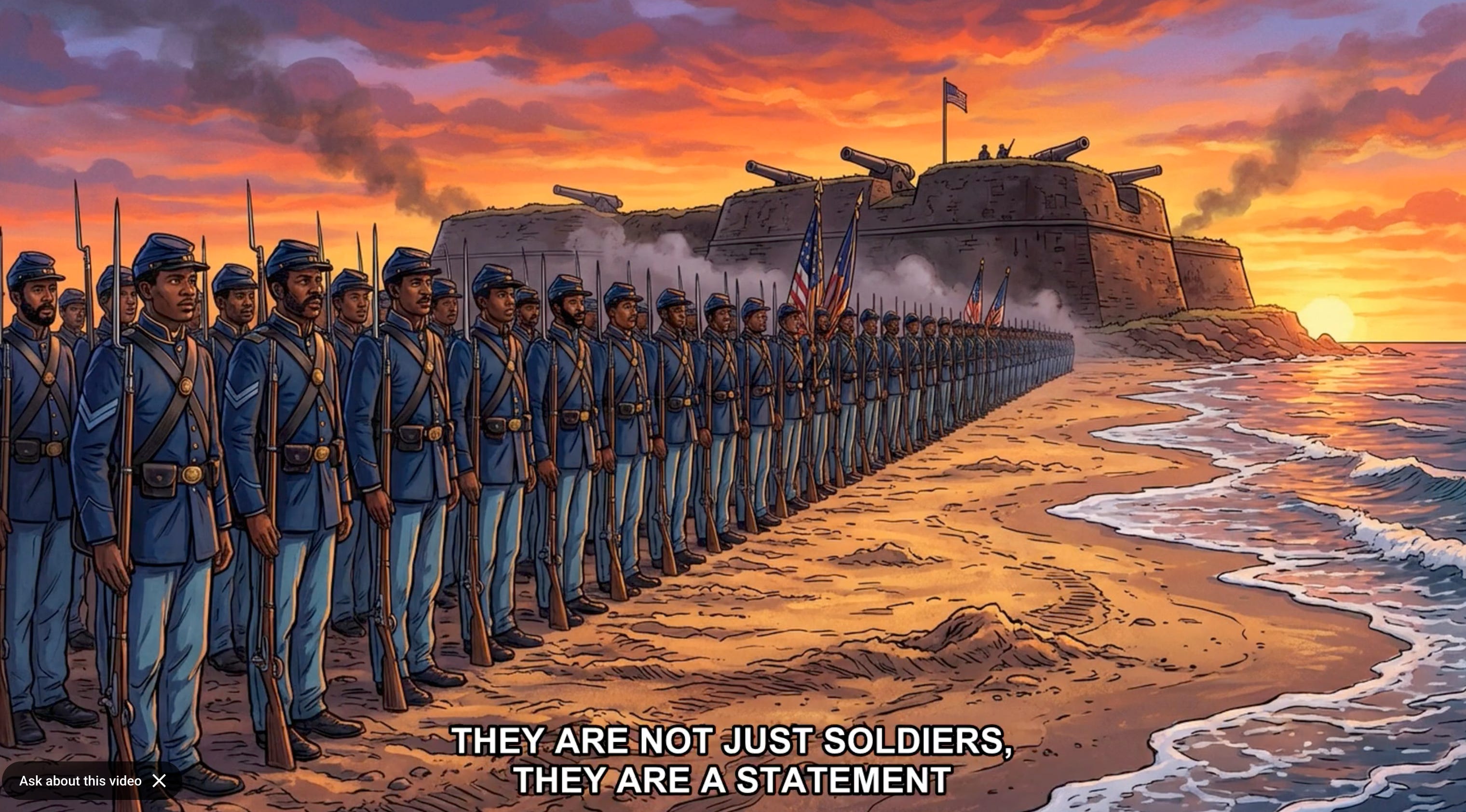
Clearly, one of the reasons the 54th failed in its assault on Fort Wagner is that they marched straight into the Atlantic Ocean.
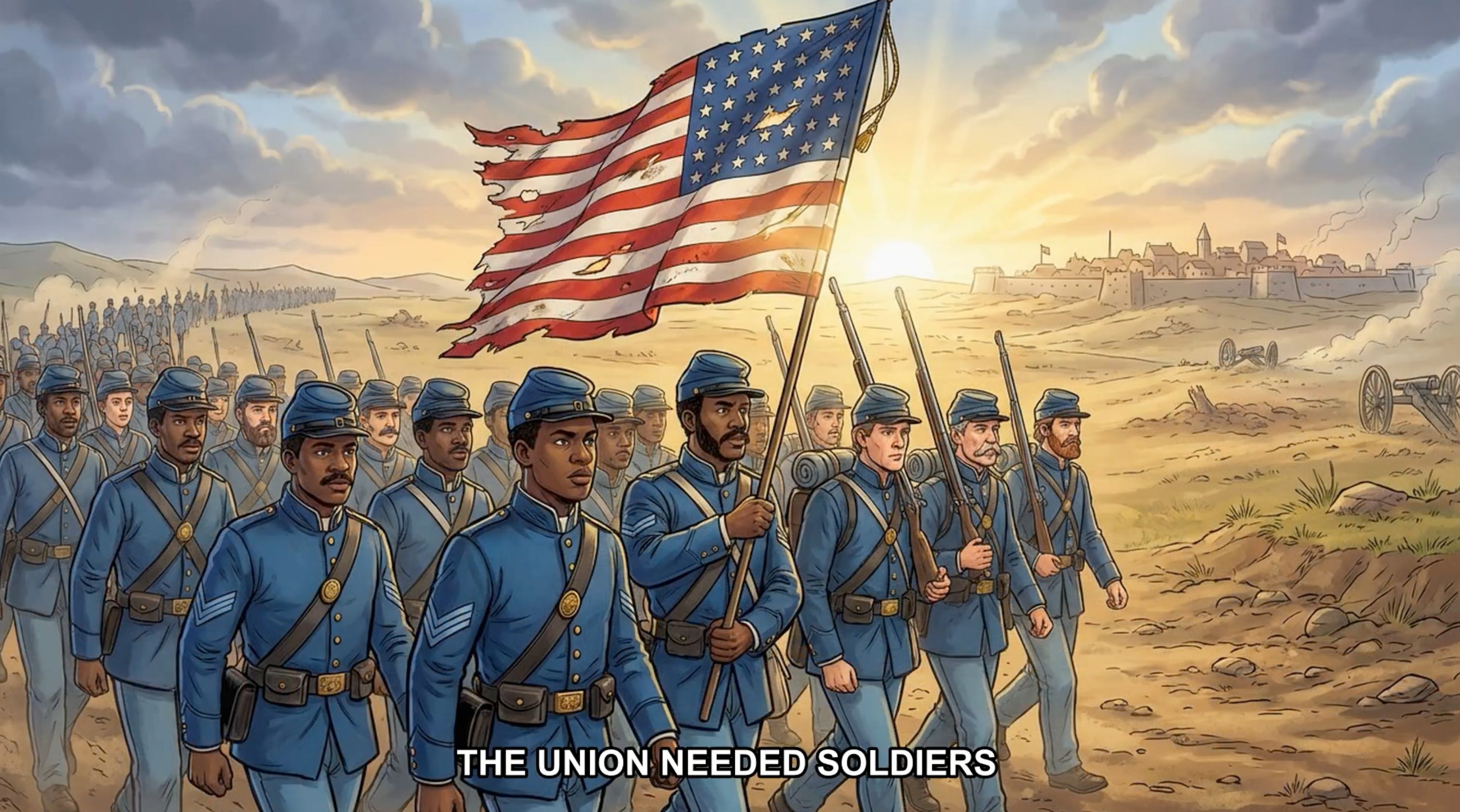
Apparently, when you type in the word “fort” into an AI-site, the algorithm interprets it as a walled European city set in the Middle Ages. Notice the regiment is presented as racially integrated.

That’s not exactly true. Shaw certainly believed that the Black soldiers under his command should be respected, but that did not rise to the level of racial equality. Shaw didn’t even believe that the Irish were equal to what he referred to as ‘American’ soldiers early in the war.
The movie Glory depicts Shaw as a constant presence in camp while the 54th was in training at Readville. In fact, much of his time was spent away from camp coordinating with Massachusetts governor John Andrew and raising money and support from social groups in and around Boston. And just a few weeks before the regiment shipped out to South Carolina in late May 1863, Shaw married Annie Haggerty in New York City before spending time at her parent’s home in Lenox, Massachusetts.
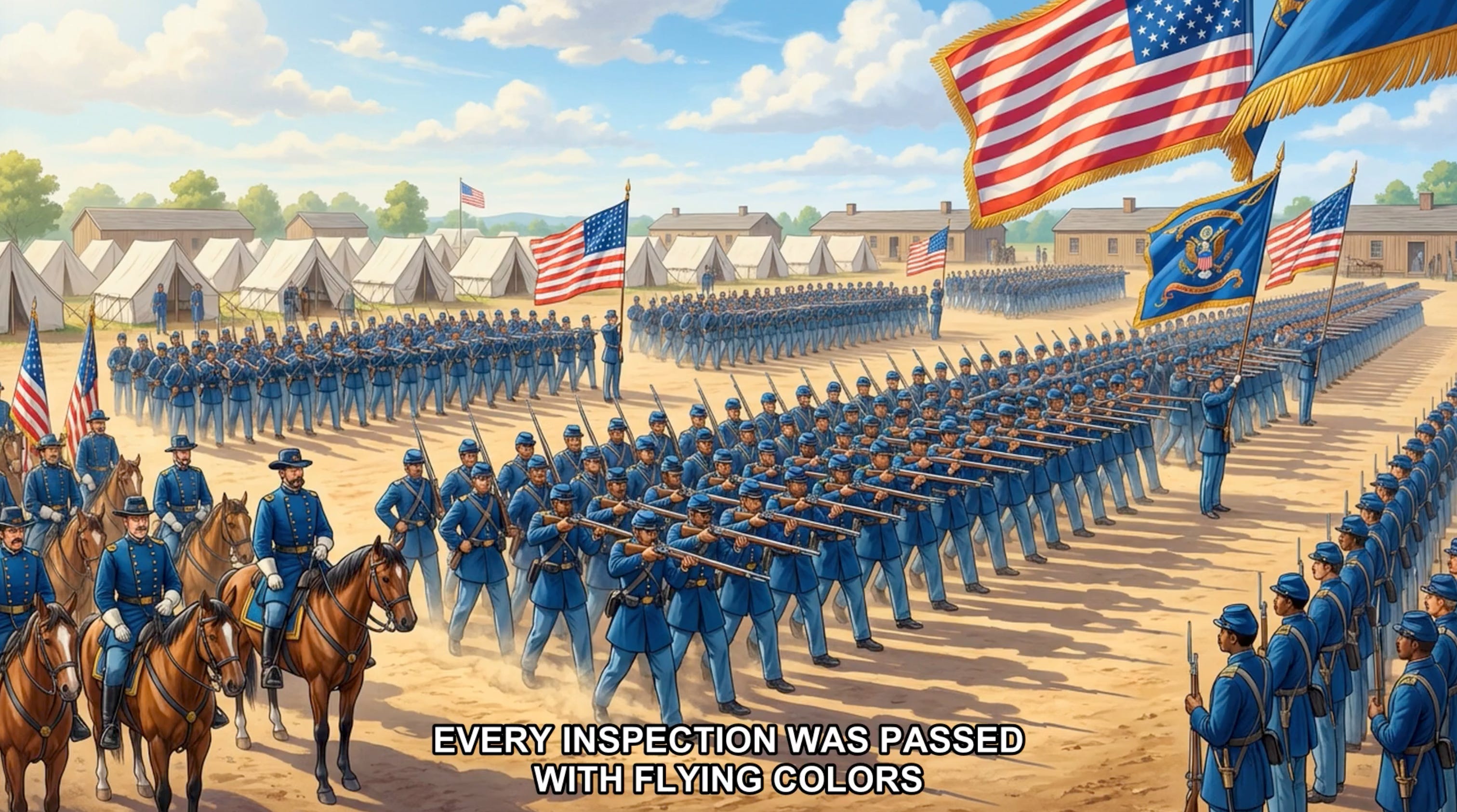
The regiment was well trained, but that did not include learning how to fire on your own men.

While the assault on Fort Wagner failed, news of their heroic act did make it into many Northern newspapers. Coverage of the regiment’s assault, however, fell decidedly along partisan political lines. It did not lead to any sort of consensus among white Americans that Black people could fight or that they should be allowed to enlist.
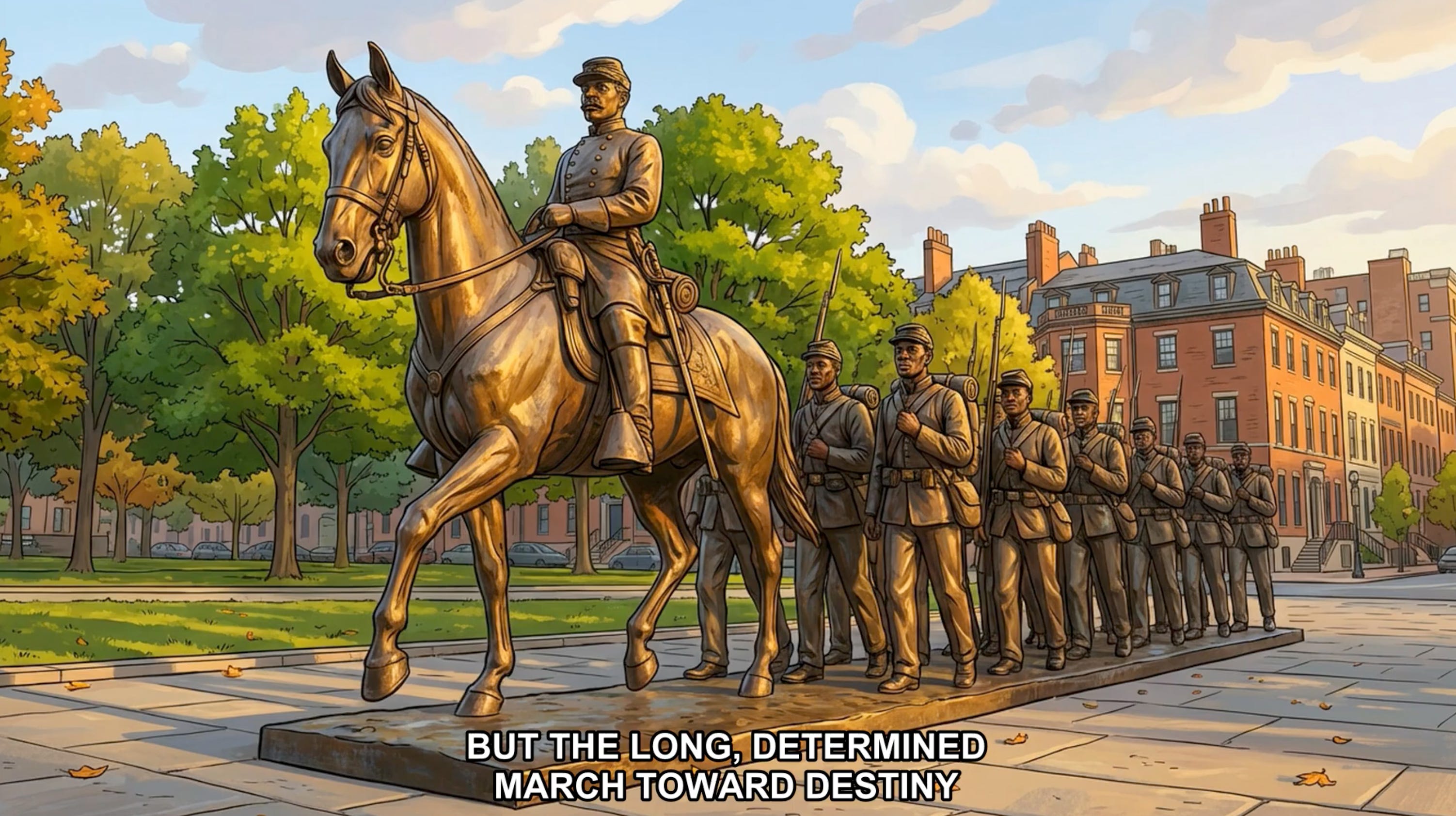
Asking AI to generate an image of the Shaw monument in Boston is a bit of a challenge.

Closer, at least in terms of the monument’s proximity to the Capitol Building.
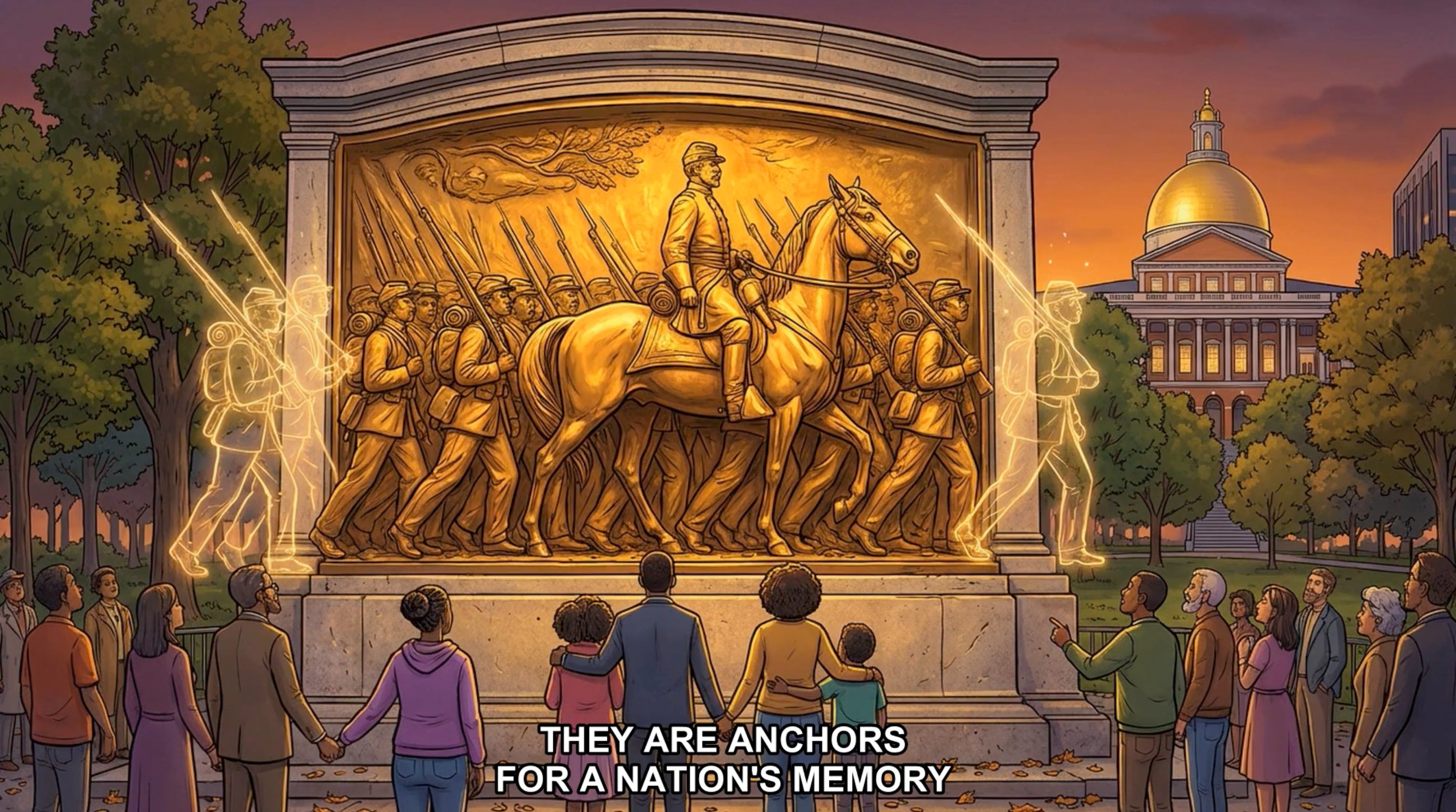
There we go, though the angel is moving in the wrong direction and the monument should be even closer to the Capitol Building. It’s also facing the wrong way. Oh well. Close enough.
It will be interesting to see whether my book will gradually reshape these AI-generated narratives of Shaw and the 54th Massachusetts. That said, I am much more excited about the book giving real people the opportunity to think anew about a story that I believe is worth getting right.
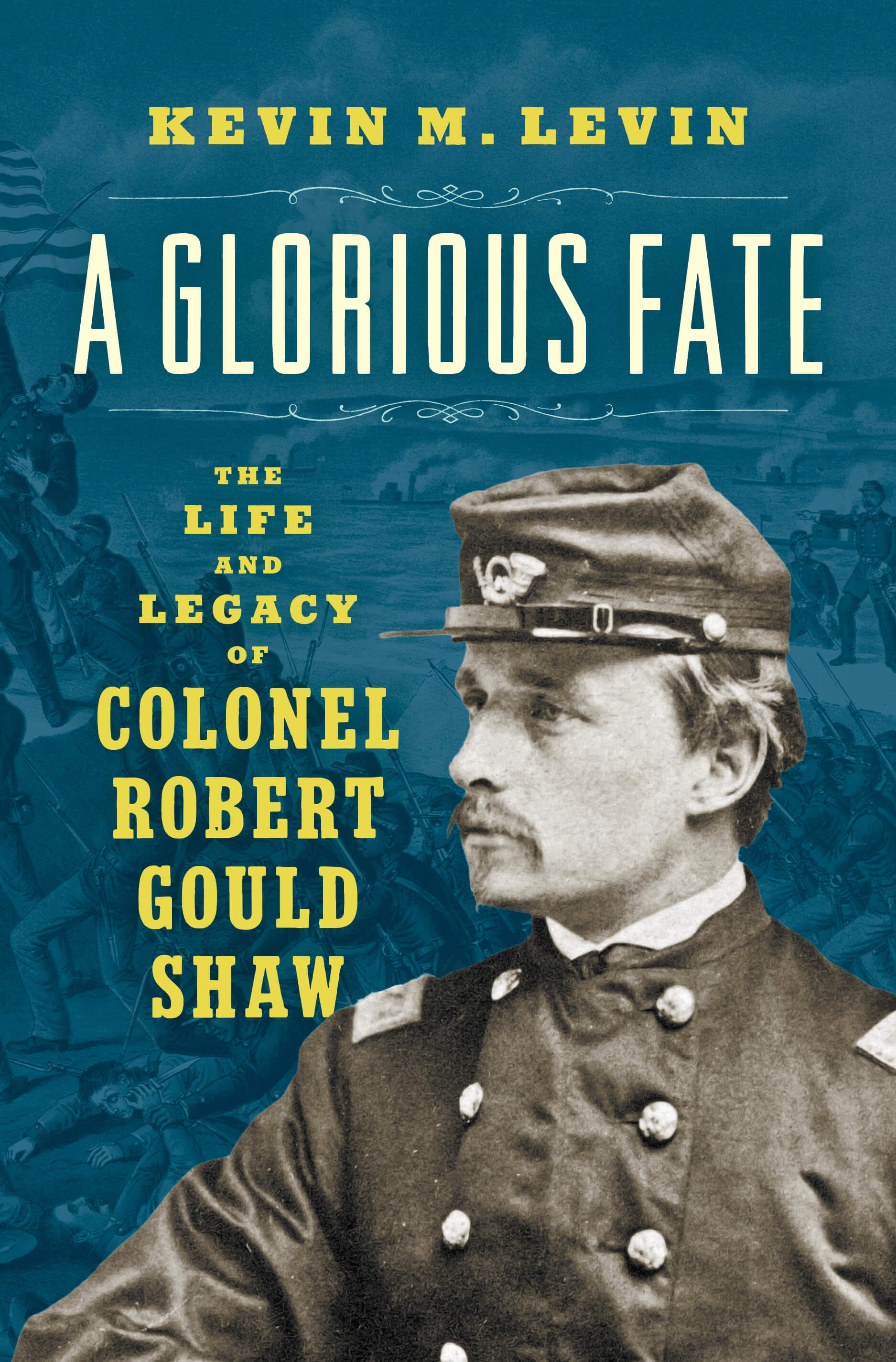
Make sure to subscribe to the newsletter for more updates about when you can pre-order the book as well information about my planned book tour in the Fall.
As a test our executive producer on Valor at New Market Heights had an intern in Hollywood do an AI generated short promo. It failed on so many fronts... we scrapped the idea right away. I keep seeing AI mangle together New Market with New Market Heights...so the VMI Cadets end up fighting the USCT in an imaginary battle over muddy shoes.
Congratulations on your book. I wish you great success with it.
Your comments about AI are valid in many respects. You are certainly correct that AI outputs benefit immeasurably from human understanding, complexity, and nuance. Good AI programs can be very sophisticated in their analysis, but like all outputs -- even human ones -- they should be carefully evaluated.
I hope that your book can correct misconceptions, human and AI, about Shaw, his troops, and the conditions under which they fought.